Starting Over: How Men Can Reclaim Sexual Confidence After Grief, Divorce, and Long Breaks From Intimacy
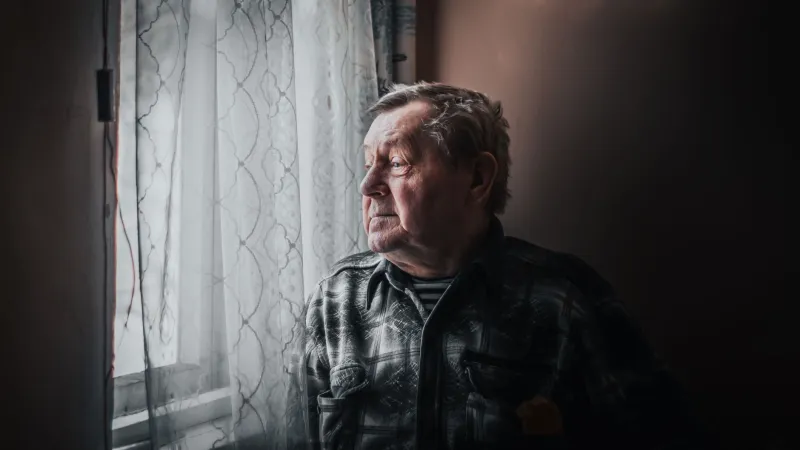
There is a particular kind of vulnerability that arrives not in youth, but in the middle or later chapters of a man's life — when a marriage ends, when a partner passes away, or when years of solitude have quietly reshaped his relationship with his own body. For many American men, the prospect of physical intimacy after such transitions carries a weight that is rarely discussed openly: the fear that the body will not cooperate, that desire will outpace performance, or that the emotional residue of loss will surface at precisely the wrong moment.
This is not an uncommon experience. It is, in fact, a profoundly human one. And it is one that sits squarely at the intersection of psychological health and sexual medicine.
The Physiology of Grief and Its Effect on Erectile Function
Grief is not merely an emotional state. It is a full-body physiological event. When a man loses a partner — whether through death or divorce — the body responds with elevated cortisol, disrupted sleep architecture, and suppressed testosterone production. Each of these biological changes independently contributes to erectile dysfunction (ED).
Cortisol, the body's primary stress hormone, constricts blood vessels and interferes with the nitric oxide pathways that are essential to achieving and sustaining an erection. Prolonged grief or chronic emotional stress essentially keeps the body in a low-grade fight-or-flight state, which is physiologically incompatible with sexual arousal.
Testosterone levels, which naturally decline with age, can drop further during periods of intense psychological distress. A man in his 50s or 60s who is already managing age-related hormonal shifts may find that the added burden of grief accelerates those changes noticeably.
This is not a character flaw or a sign of permanent decline. It is biology responding to circumstances — and biology, with appropriate support, can be redirected.
Performance Anxiety: The Self-Fulfilling Cycle
For men re-entering the dating landscape after years in a committed relationship, performance anxiety often becomes the dominant obstacle — sometimes eclipsing any underlying physical issues entirely.
The anticipatory anxiety cycle works like this: a man worries about whether he will be able to perform, that worry activates his sympathetic nervous system, the sympathetic nervous system suppresses the parasympathetic response required for erection, and the result confirms his original fear. The experience then reinforces the anxiety for the next encounter.
This cycle is well-documented in sexual medicine literature and is particularly prevalent among men who have been sexually inactive for extended periods. A man who has not been sexually active for two, three, or five years is not only contending with physiological deconditioning — he is also contending with an internal narrative that may have quietly convinced him that this part of his life is simply over.
It is not.
The Role of a Long Sexual Hiatus
Extended celibacy, whether chosen or circumstantial, can create its own set of challenges when a man decides to resume sexual activity. Penile tissue, like other vascular tissue in the body, benefits from regular engorgement. Some urologists describe this informally as "use it or lose it" — a phrase that, while blunt, reflects a genuine physiological principle.
During periods of sexual inactivity, reduced blood flow to erectile tissue can contribute to fibrotic changes over time, potentially making erections less firm or reliable when sexual activity resumes. This is not irreversible, but it does underscore why men who have been celibate for extended periods may find that their first several sexual experiences after resuming activity feel unfamiliar or inconsistent.
Patience — with the process and with oneself — is not merely a platitude here. It is a clinically relevant recommendation.
Practical Steps for Rebuilding Sexual Confidence
Consult a Physician Before a New Relationship Begins
One of the most pragmatic steps a man can take is scheduling a conversation with his primary care physician or a urologist before he finds himself in an intimate situation. This conversation should cover current testosterone levels, cardiovascular health, any medications that may interfere with erectile function, and whether a short-term or ongoing ED medication might be appropriate as a confidence bridge during the transition period.
Phosphodiesterase-5 (PDE5) inhibitors — the class of medications that includes sildenafil (Viagra), tadalafil (Cialis), and others — are not exclusively for men with chronic, severe ED. Many physicians prescribe them situationally for men navigating performance anxiety or re-entry into sexual activity, precisely because reducing the physiological uncertainty can help break the anxiety cycle.
Consider Therapeutic Support
Sex therapy and general psychotherapy are underutilized resources among American men, particularly those in older demographics. A therapist with experience in sexual health can help a man process unresolved grief, identify the cognitive patterns driving performance anxiety, and develop practical strategies for approaching new intimacy with greater equanimity.
Couple's therapy — even in the early stages of a new relationship — can also normalize the conversation around sexual expectations and reduce the pressure that both partners may be carrying silently.
Reframe the Narrative Around Intimacy
Many men approaching intimacy after loss are unconsciously comparing the experience to what they knew in a previous relationship — sometimes a decades-long partnership in which sexual familiarity, comfort, and communication had been carefully developed over time. New intimacy, by definition, lacks that foundation.
Reframing the early encounters in a new relationship as exploratory rather than performative can meaningfully reduce the psychological pressure. Intimacy does not begin at penetration. It begins with communication, physical closeness, and mutual vulnerability — all of which are available regardless of erectile function.
Attend to the Foundational Variables
Sleep quality, physical activity, alcohol consumption, and diet all influence erectile function in measurable ways. For a man rebuilding his sexual health after a period of grief or inactivity, these lifestyle variables deserve deliberate attention. Regular aerobic exercise, in particular, has been shown to improve erectile function through its effects on cardiovascular health and nitric oxide bioavailability.
Alcohol deserves special mention in this context. Men navigating the social landscape of new dating often find themselves consuming more alcohol than usual — both as a social lubricant and as a means of managing anxiety. In moderate amounts, alcohol may reduce inhibition. In larger amounts, it reliably impairs erectile function and can deepen the anxiety cycle rather than relieve it.
When to Seek Formal Medical Evaluation
If erectile difficulties persist beyond the initial period of re-entry — say, beyond three to six months of resumed sexual activity — a formal evaluation is warranted. Persistent ED can be an early indicator of cardiovascular disease, diabetes, or other systemic conditions that benefit from early identification and management.
The conversation with a physician need not be uncomfortable. ED is among the most commonly treated conditions in men's health, and clinical approaches have never been more varied or effective than they are today.
A Final Word
Loss changes a man. So does time, and so does the particular solitude that follows the end of a long partnership. But neither grief nor celibacy nor the anxiety of starting over is a sentence. The body retains a remarkable capacity for renewal when given the right conditions — physiological, psychological, and relational.
For men willing to approach this transition with honesty, patience, and appropriate medical support, the path forward is not only possible. It is, for many, the beginning of a chapter they did not anticipate but ultimately find deeply meaningful.