Prescription Conflicts: How the Drugs in Your Medicine Cabinet May Be Working Against Your ED Treatment
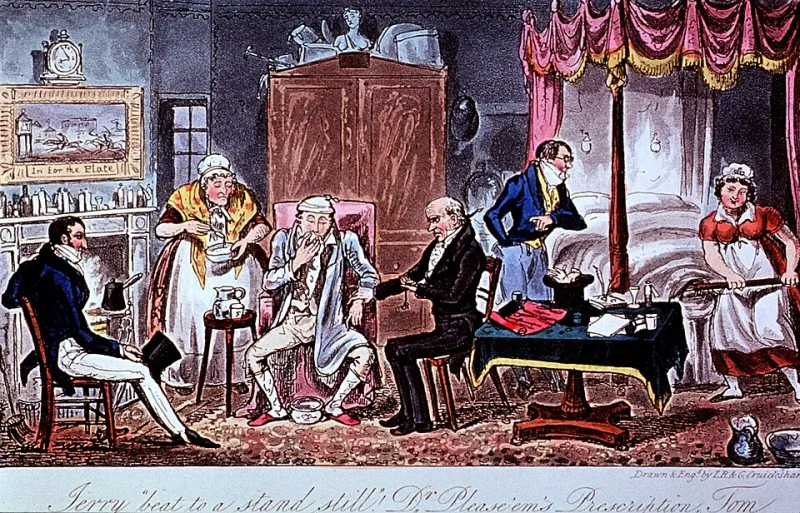
Photo: National Library of Medicine - History of Medicine, No restrictions, via Wikimedia Commons
For men managing erectile dysfunction while simultaneously treating other health conditions, the medicine cabinet can quickly become a complex — and occasionally treacherous — landscape. According to data from the Centers for Disease Control and Prevention, nearly half of all American adults take at least one prescription medication, and a significant portion take three or more. When ED treatments enter that mix, the potential for interference rises considerably.
The challenge operates on two distinct fronts. First, certain medications directly impair erectile function as a side effect, meaning the very drugs prescribed to improve your overall health may be undermining sexual performance. Second, some of those same drugs can interact chemically with ED medications, either reducing their effectiveness or amplifying their effects to dangerous levels. Navigating both concerns requires awareness, open communication with your prescribers, and a willingness to ask difficult questions.
How Medications Can Directly Cause Erectile Dysfunction
Before examining drug-drug interactions, it is worth understanding that a substantial number of commonly prescribed medications list erectile dysfunction among their documented side effects. This is not a minor footnote — for some drug classes, ED affects a significant percentage of male users.
Antihypertensives (Blood Pressure Medications): Older classes of blood pressure drugs, particularly thiazide diuretics such as hydrochlorothiazide and beta-blockers like metoprolol and atenolol, have well-established associations with erectile dysfunction. These medications alter blood flow dynamics and, in the case of beta-blockers, can reduce testosterone levels and blunt the neurological signals necessary for arousal. Notably, not all antihypertensives carry equal risk — ACE inhibitors and calcium channel blockers are generally considered less problematic for erectile function, and some men actually experience improvement in ED when their blood pressure is better controlled through these alternatives.
Antidepressants and Psychiatric Medications: Selective serotonin reuptake inhibitors (SSRIs), the most commonly prescribed class of antidepressants in the United States, are among the most frequent pharmaceutical causes of sexual dysfunction in men. Drugs such as sertraline (Zoloft), fluoxetine (Prozac), and paroxetine (Paxil) can suppress libido, delay ejaculation, and contribute to erectile difficulty. Antipsychotics and certain mood stabilizers carry similar risks. Men taking these medications who also require ED treatment face a layered challenge that demands careful medical oversight.
Antihistamines and Cold Remedies: Over-the-counter and prescription antihistamines, particularly older first-generation formulations like diphenhydramine (found in Benadryl and many sleep aids), possess anticholinergic properties that can interfere with the nerve signals involved in achieving an erection. While the effect is typically temporary, men who rely on these medications regularly should be aware of the potential impact.
Other Notable Offenders: Finasteride (Propecia, Proscar), commonly prescribed for hair loss and enlarged prostate, has been associated with persistent sexual side effects in some men. Opioid pain medications suppress testosterone production with prolonged use. Certain cholesterol-lowering drugs, antiulcer medications like cimetidine, and even some hair-loss treatments have documented associations with erectile impairment.
When ED Medications Enter a Crowded Prescription Regimen
Once a physician prescribes an ED medication — whether sildenafil (Viagra), tadalafil (Cialis), vardenafil (Levitra), or avanafil (Stendra) — these drugs must coexist with everything else a man is taking. The interactions that emerge can range from reduced efficacy to life-threatening complications.
Nitrates: The Most Critical Interaction
The most serious and well-documented interaction involves nitrate medications. Drugs such as nitroglycerin (used for chest pain), isosorbide mononitrate, and isosorbide dinitrate are prescribed to many men with cardiovascular disease — a population that also experiences elevated rates of erectile dysfunction. Both nitrates and PDE5 inhibitors (the drug class that includes all major ED medications) lower blood pressure. When taken together, the combined effect can cause a sudden, severe drop in blood pressure that may result in fainting, heart attack, or stroke. This combination is contraindicated, meaning it should not be used under any circumstances without explicit physician guidance. Men who use nitrates recreationally — including amyl nitrite poppers — face the same risk.
Alpha-Blockers and Blood Pressure Medications
Alpha-blockers, prescribed for benign prostatic hyperplasia (BPH) and hypertension, include drugs like tamsulosin (Flomax), doxazosin, and terazosin. These medications also lower blood pressure, and when combined with ED drugs, the additive effect can cause symptomatic hypotension — dizziness, lightheadedness, and fainting. Physicians typically manage this risk by starting ED medications at lower doses and spacing the timing of administration, but self-managing this combination without medical supervision is inadvisable.
Antifungals and Certain Antibiotics
Some medications inhibit the liver enzymes responsible for metabolizing ED drugs, causing those drugs to remain in the bloodstream at higher concentrations for longer periods. Antifungal medications such as ketoconazole and itraconazole, as well as certain antibiotics including erythromycin and clarithromycin, fall into this category. The practical consequence is that standard doses of ED medications may produce intensified side effects — severe headaches, prolonged erections, or significant blood pressure drops — in men taking these drugs simultaneously.
HIV Medications
Protease inhibitors used in HIV treatment, such as ritonavir, are among the most potent inhibitors of the enzymes that break down ED medications. Men on these regimens who also require ED treatment typically require substantially lower doses, and the prescribing physician must be fully informed of all medications in use.
Building Your Safety Net: Practical Steps for Managing Medication Interactions
Compile a Complete Medication List
Before starting or adjusting any ED treatment, prepare a comprehensive list of every prescription drug, over-the-counter medication, supplement, and herbal remedy you take. This includes supplements like St. John's Wort, which affects drug metabolism, and grapefruit juice, which inhibits the same liver enzymes affected by antifungals. Your prescribing physician and pharmacist both need this complete picture.
Consult Your Pharmacist Proactively
American pharmacists are among the most accessible and underutilized healthcare resources available. Most major pharmacy chains offer medication review services at no additional cost. A pharmacist can quickly flag potential interactions between an ED medication and your existing regimen and recommend timing strategies or alternative formulations worth discussing with your doctor.
Have an Honest Conversation With Your Prescriber
If you suspect a current medication is contributing to erectile dysfunction, raise the issue directly. Many physicians can substitute a drug within the same therapeutic class that carries lower sexual side effect risk — switching from a beta-blocker to an ACE inhibitor, for instance, or transitioning from an SSRI to bupropion (Wellbutrin), which has a notably lower rate of sexual side effects. These conversations require candor, but they frequently yield meaningful improvements.
Never Adjust Dosages Independently
The temptation to simply take less of a medication that seems to be causing problems, or to delay doses to avoid interactions, is understandable — but potentially dangerous. Abrupt changes to blood pressure medications, antidepressants, or cardiac drugs can have serious consequences. All adjustments should be made under physician supervision.
The Broader Perspective
Managing erectile dysfunction within a complex medical picture is genuinely challenging, but it is far from impossible. The key lies in treating your entire medication regimen as an integrated system rather than a collection of isolated treatments. When every prescriber and pharmacist involved in your care has complete information, the risk of harmful interactions drops substantially, and the likelihood of finding an effective, safe approach to ED treatment improves considerably.
The medicine cabinet need not be a minefield — with the right guidance, it becomes a toolkit.